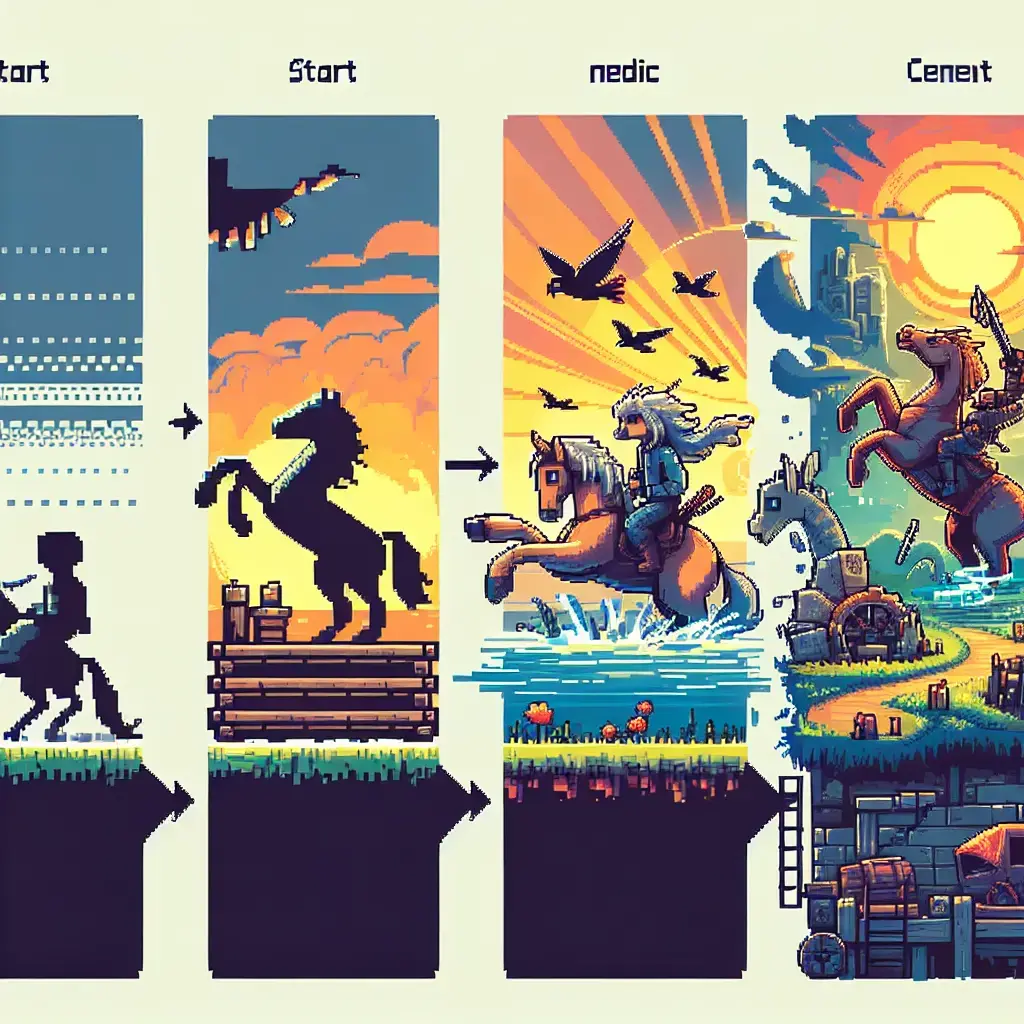
In the ever-evolving landscape of indie video games, art styles play a pivotal role in defining the identity and emotional resonance of each title. The evolution of game art in this sector is marked by bold experimentation, drawing from a plethora of influences to create unique visual storytelling experiences. As we examine the trajectory of indie video game art styles, we delve into the history, current trends, and future possibilities that continue to captivate players and creators alike.
From Pixelated Beginnings to Modern Indie Game Art
The history of indie game art reveals a journey from simple pixelated graphics to complex, immersive environments that characterize modern indie game art. This evolution represents more than a visual upgrade; it's a transformation in how games convey emotion and narrative. Early titles like "Super Meat Boy" and "Fez" used pixel art to evoke nostalgia and simplicity, demonstrating how constraints could lead to innovative solutions within limited resources.
Today, indie game design trends encompass a wide array of artistic styles, from hand-drawn illustrations to 3D modeling. A prime example is "Reignbreaker," showcased at Gamescom 2024, which features a dystopian kingdom with intricate art that blends realism and fantasy, challenging traditional aesthetics (source: IGN's coverage of Reignbreaker). This game illustrates how modern indie game art can create rich narratives through detailed environments and character designs.
The Role of Visual Storytelling in Indie Games
Visual storytelling in indie games has become a cornerstone of the gaming experience. In these games, art serves as more than just a backdrop; it's a fundamental element that shapes player engagement and defines each title's identity. The evolution of indie game visuals has opened new avenues for conveying complex themes and emotions beyond dialogue or text.
Consider "Tako no Himitsu: Ocean of Secrets," an indie title that recently released an updated demo. Its crowdfunding success underscores how its unique art style—vibrant underwater visuals paired with intriguing narrative elements—resonates with players (source: GameSpot's article on Tako no Himitsu). This trend reflects how visual storytelling in indie games leverages art to engage audiences on a deeper level.
Unique Indie Game Art Styles That Stand Out
Indie developers constantly explore unique art styles that stand out in a crowded market. By pushing the boundaries of video game aesthetics, they offer fresh perspectives that redefine the gaming experience. The rise of "Obamacore" as a cultural movement showcases how pop culture can influence indie game graphics evolution by incorporating diverse elements that resonate with specific audiences (source: Vulture's exploration of Obamacore).
These unique styles often draw from personal or cultural inspirations, resulting in games that reflect distinct artistic visions. The upcoming "Eternal Champions" adaptation further illustrates this trend by merging retro aesthetics with contemporary visual effects (source: Deadline's report on Eternal Champions).
Art Style Trends in Indie Games: A Global Perspective
Exploring art style trends in indie games requires considering the global influences shaping these developments. Technological advancements, particularly in visual effects (VFX), have expanded possibilities for indie developers. According to a recent report, the global VFX market is projected to reach $25 billion by 2030, fueled by advancements in computer-generated imagery (source: ResearchAndMarkets' VFX market report).
This growth in technology allows for more sophisticated visual storytelling techniques, enabling indie games to compete with larger titles in terms of visual fidelity and innovation. For example, cutting-edge VFX integration in indie titles like "Reignbreaker" demonstrates how these tools can enhance narrative depth and aesthetic appeal.
Looking Ahead: The Future of Indie Game Art Innovation
The future of indie game art innovation lies in exploring new styles and technologies. As developers push the boundaries of what's possible, they will continue redefining visual storytelling in games. This ongoing evolution reflects an industry driven by creativity and passion, where each title offers a unique glimpse into the artistic vision of its creators.
Conclusion
The evolution of art styles in indie video games is a testament to the creativity and innovation driving this vibrant sector. Here's a concise recap of the key points explored:
From Pixelated Origins: Indie game art has transformed from simple pixel graphics to sophisticated, immersive environments, enabling deeper emotional and narrative connections.
Visual Storytelling as a Cornerstone: Modern indie games use visual storytelling to convey complex themes, as seen in titles like "Tako no Himitsu: Ocean of Secrets," which blend unique art styles with engaging narratives.
Unique Artistic Visions: Indie developers continuously push boundaries, creating distinctive styles influenced by personal and cultural inspirations. The emergence of movements like "Obamacore" exemplifies this trend.
Global Influences and Technology: Advances in VFX and global influences are expanding the visual possibilities for indie developers, allowing them to compete with larger titles in both fidelity and innovation.
Looking Forward: The future of indie game art lies in the relentless exploration of new styles and technologies, promising ongoing inspiration and engagement.
As we reflect on these developments, it's clear that indie game art is not just an aesthetic choice but a vital component of storytelling that resonates with diverse audiences. This dynamic evolution invites both creators and players to continue exploring the rich tapestry of visual storytelling in games.
We encourage you to share your thoughts and experiences with indie games that have captured your imagination through their unique art styles. Your insights can enrich our understanding of how these visual narratives shape our gaming experiences.
Thank you for joining me on this exploration of indie game art evolution. Keep playing, keep creating, and stay inspired!
Author: Clara Sutton